Arcnem OrbitOrbital Briefing for Data Centers and Commodities

Commodities brief

Stable Commodity Extraction Footprints with Notable Lithium Pond Drying in May 2026

Orbital imagery from May 2026 reveals largely unchanged surface footprints at major commodity sites including the Athabasca Oil Sands, Escondida Copper Complex, and Port Hedland Iron Ore Hub, indicating steady operational scales. However, significant drying in the Salar de Atacama lithium evaporation ponds signals emerging water scarcity challenges that may affect lithium production and regional resource management.

Sites tracked

4 sites

Coverage window

May 17 to May 18

Update cadence

May 18, 1:32 PM

This week's highlights

  • Athabasca Oil Sands show no visible expansion or tailings pond growth, maintaining stable surface disturbance.
  • Escondida Copper Complex footprint remains steady despite potential snow cover obscuring finer details.
  • Salar de Atacama lithium ponds exhibit marked drying, highlighting water stress risks impacting lithium extraction.

Major changes

1 site

Sites to watch

0 sites

No major shift

3 sites

Commodities

The latest view across each tracked commodity corridor.

These updates focus on macro commodity signals such as mine expansion, tailings or evaporation ponds, stockpile yards, berth occupancy, and large land disturbance.

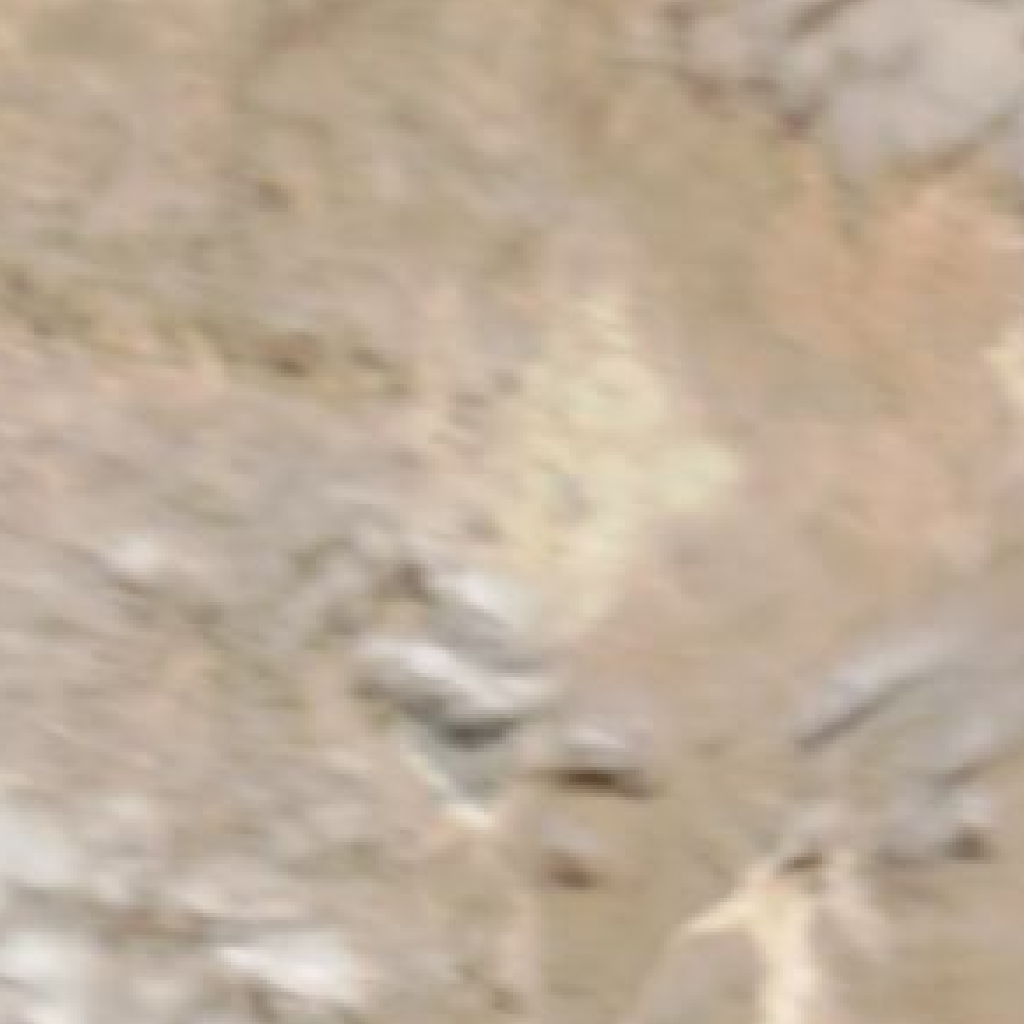
Athabasca Oil Sands Corridor true-color satellite scene captured on 2026-05-17
Surface mine
No material change

High confidence

Athabasca Oil Sands Corridor

Alberta, Canada · Multi-operator corridor · May 17 vs Apr 20

No Major Visible Expansion or New Tailings Pond Growth at Athabasca Oil Sands Corridor in May 2026

Satellite imagery from May 17, 2026, compared to baseline imagery from April 20, 2026, shows no large-scale changes in open-pit mine footprint, tailings pond extent, or new land disturbance within the Athabasca Oil Sands Corridor. The landscape is snow-covered with some exposed ground patches, but no visible expansion of mining or tailings infrastructure is evident.

What changedNo significant increase in open-pit mining area or tailings pond size; no new large-scale land disturbance detected. The main difference is seasonal snow cover in the current image versus dry conditions in the baseline image.

Why it mattersStable surface footprint suggests no immediate escalation in bitumen extraction activities or tailings pond risk in this period. This is relevant given ongoing Indigenous coalition concerns about tailings risks and the broader context of Canadian oil sands development. Monitoring remains important for early detection of any future expansions or environmental impacts.

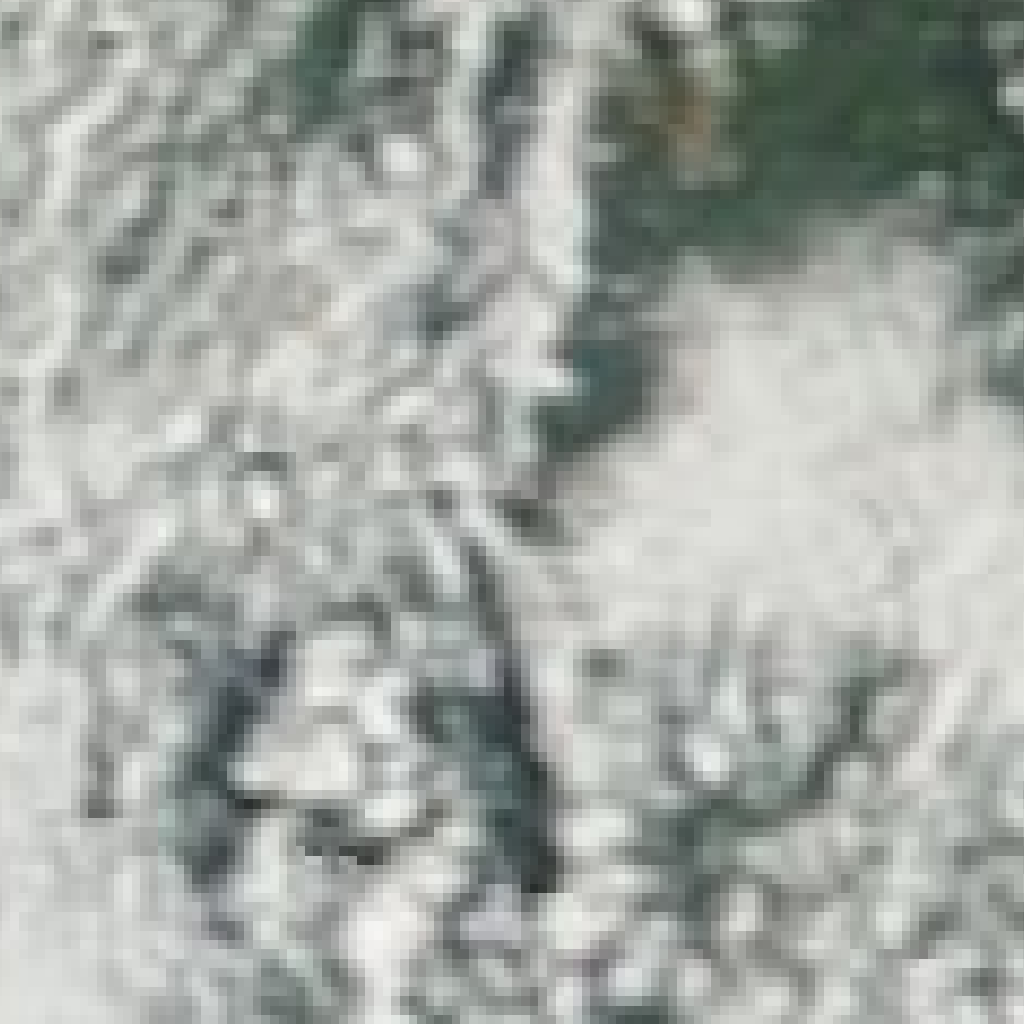
Escondida Copper Complex true-color satellite scene captured on 2026-05-17
Surface mine
No material change

High confidence

Escondida Copper Complex

Antofagasta Region, Chile · BHP-led operation · May 17 vs Apr 19

No visible large-scale surface mine expansion or waste-rock footprint growth at Escondida Copper Complex in May 2026

Comparison of MODIS true-color satellite imagery from 2026-04-19 baseline and 2026-05-17 observation shows no discernible changes in open-pit size, waste-rock piles, or tailings footprint at the Escondida Copper Complex. The recent image is dominated by snow cover on surrounding mountains, limiting visibility of surface mine features.

What changedNo visible expansion of open-pit mining areas or growth in waste-rock or tailings storage facilities. No major earthmoving or new land disturbance detected at macro scale.

Why it mattersStable surface footprint suggests no recent large-scale mining expansion or new waste disposal activities, consistent with ongoing steady production reported by BHP. Snow cover may temporarily obscure detailed surface changes, so continued monitoring is recommended to detect any future expansions or environmental impacts.

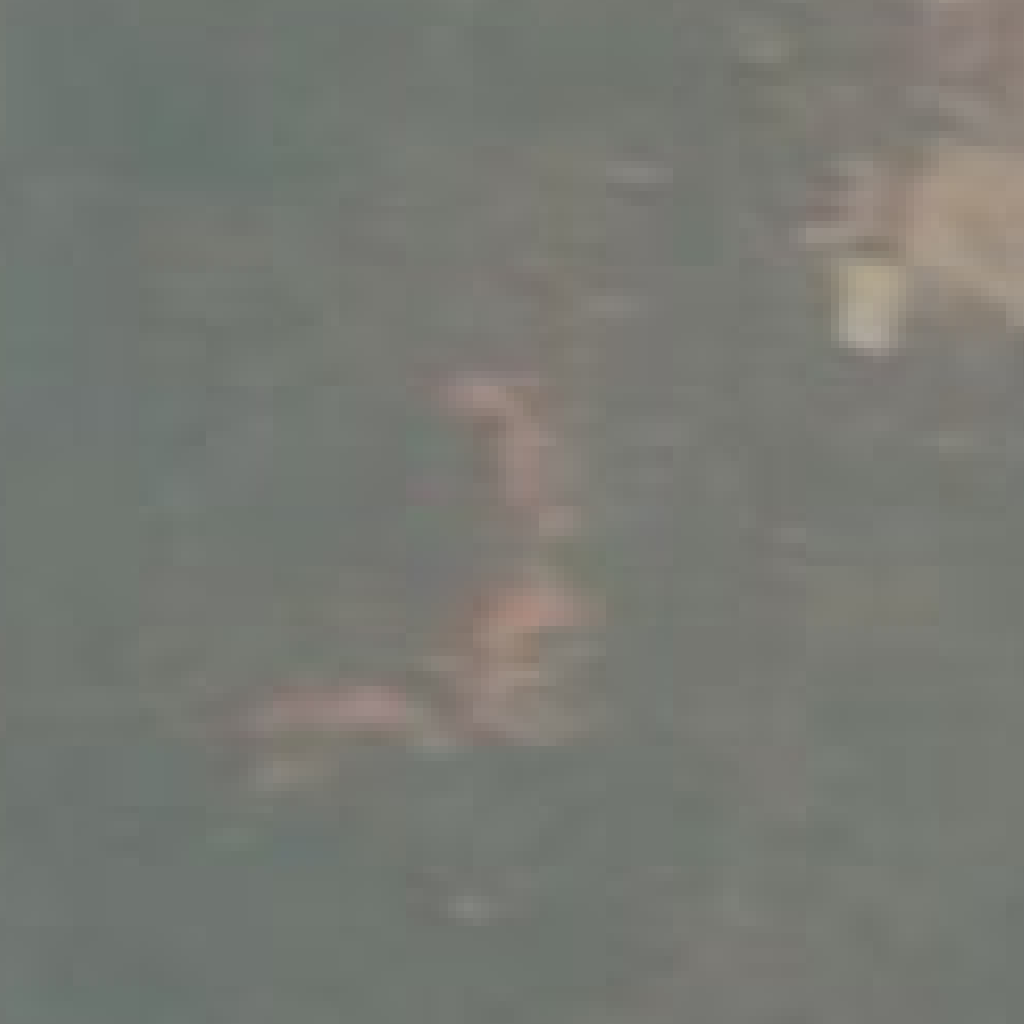
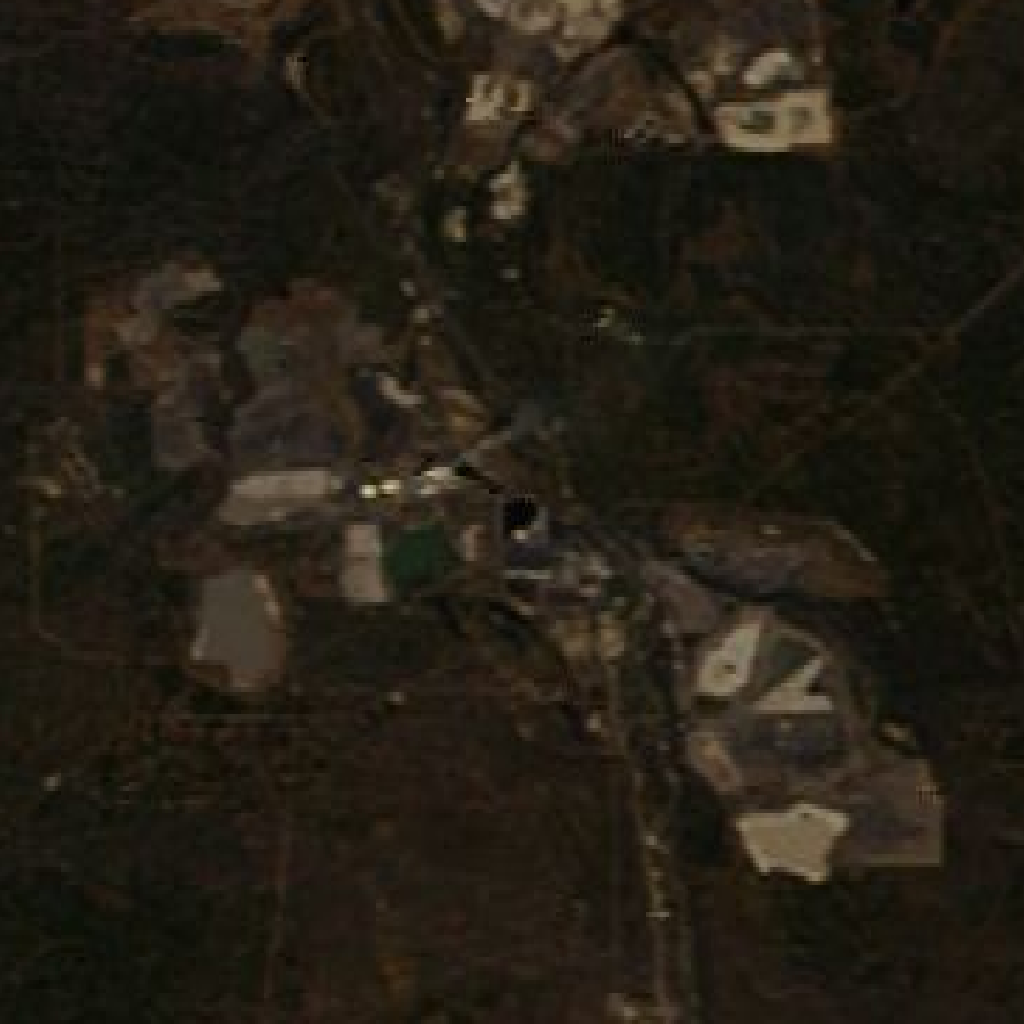
Salar de Atacama Lithium Ponds true-color satellite scene captured on 2026-05-17
Evaporation ponds
Major change

High confidence

Salar de Atacama Lithium Ponds

Antofagasta Region, Chile · Multi-operator salar · May 17 vs Apr 19

Significant Drying Observed in Salar de Atacama Lithium Ponds Between April and May 2026

Satellite imagery comparison from April 19 to May 17, 2026, shows a transition from a dry, barren landscape with bright white salt flats to a large, mostly dry reservoir exhibiting visible sediment patterns indicative of low water levels.

What changedThe baseline image depicted three distinct bright white salt flats or mineral deposits, consistent with high mineral concentration and evaporation. The current image reveals a large reservoir area with sediment patterns, suggesting a shift in surface water distribution and a reduction in pond water coverage or depth.

Why it mattersThis visible reduction in water levels and alteration in evaporation pond surface patterns signals potential water scarcity challenges affecting lithium brine processing operations. Given the critical role of these ponds in lithium extraction, such changes could impact production capacity or operational strategies. Additionally, the drying trend aligns with broader concerns about water resource stress in the region, which is significant for stakeholders monitoring lithium supply chain stability amid rising global demand.

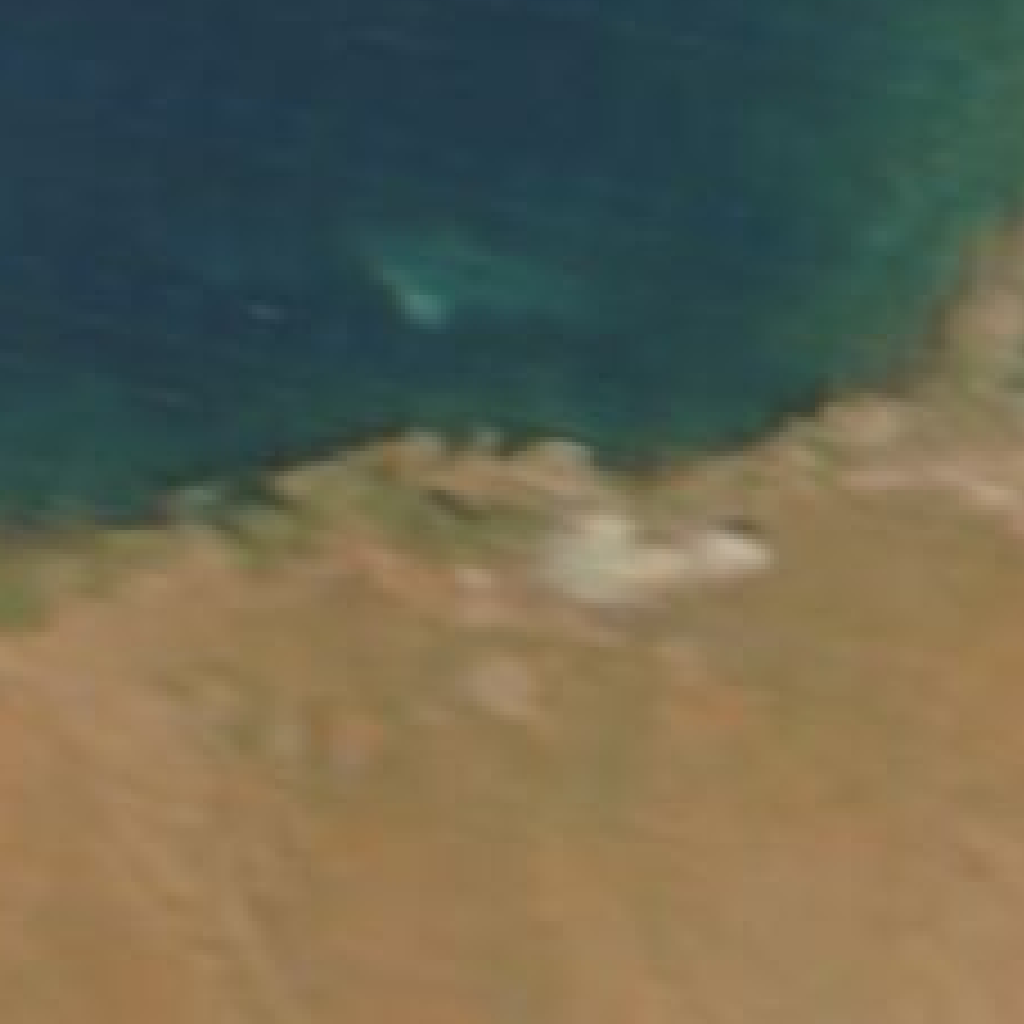
Port Hedland Iron Ore Hub true-color satellite scene captured on 2026-05-18
Export port
No material change

High confidence

Port Hedland Iron Ore Hub

Pilbara, Western Australia · Pilbara export hub · May 18 vs Apr 20

No visible large-scale changes at Port Hedland Iron Ore Hub in May 2026 imagery

Satellite imagery from 18 May 2026 shows no visible expansion or reduction in stockpile yards, berth occupancy, or terminal infrastructure compared to baseline imagery from 20 April 2026. The area remains dominated by natural coastal features with limited human-made structures visible.

What changedNo discernible changes in port infrastructure, stockpile yard footprint, berth occupancy, or land reclamation activities between baseline and current observations.

Why it mattersStable visible infrastructure and port footprint suggest no major shifts in export capacity or port operational scale at Port Hedland during this period, despite reported throughput increases. This indicates throughput changes are not accompanied by large-scale physical expansion or contraction.

How it works

The weekly brief stays grounded in what the imagery can actually show.

Orbit covers both data centers and commodities, surfacing the clear macro-scale shifts that matter most.

01

Collect fresh orbital scenes

Gather fresh imagery for fixed data-center and commodity sites.

02

Stick to macro signals

Review only features the imagery can support, such as building shells, pits, ponds, stockpile yards, berths, and land disturbance.

03

Pair visuals with reporting

Combine the imagery read with current reporting so each weekly brief explains what changed and why it matters.