Arcnem OrbitEarth intelligence
NASA EOSDIS / MODIS TerraWeekly brief live

Mission 001 / Full watchlist

Visible movement stayed mixed across data centers and commodity corridors.

This combined brief tracks 16 macro-scale sites, with the most notable watch signals centered on Athabasca Oil Sands Corridor and Escondida Copper Complex.

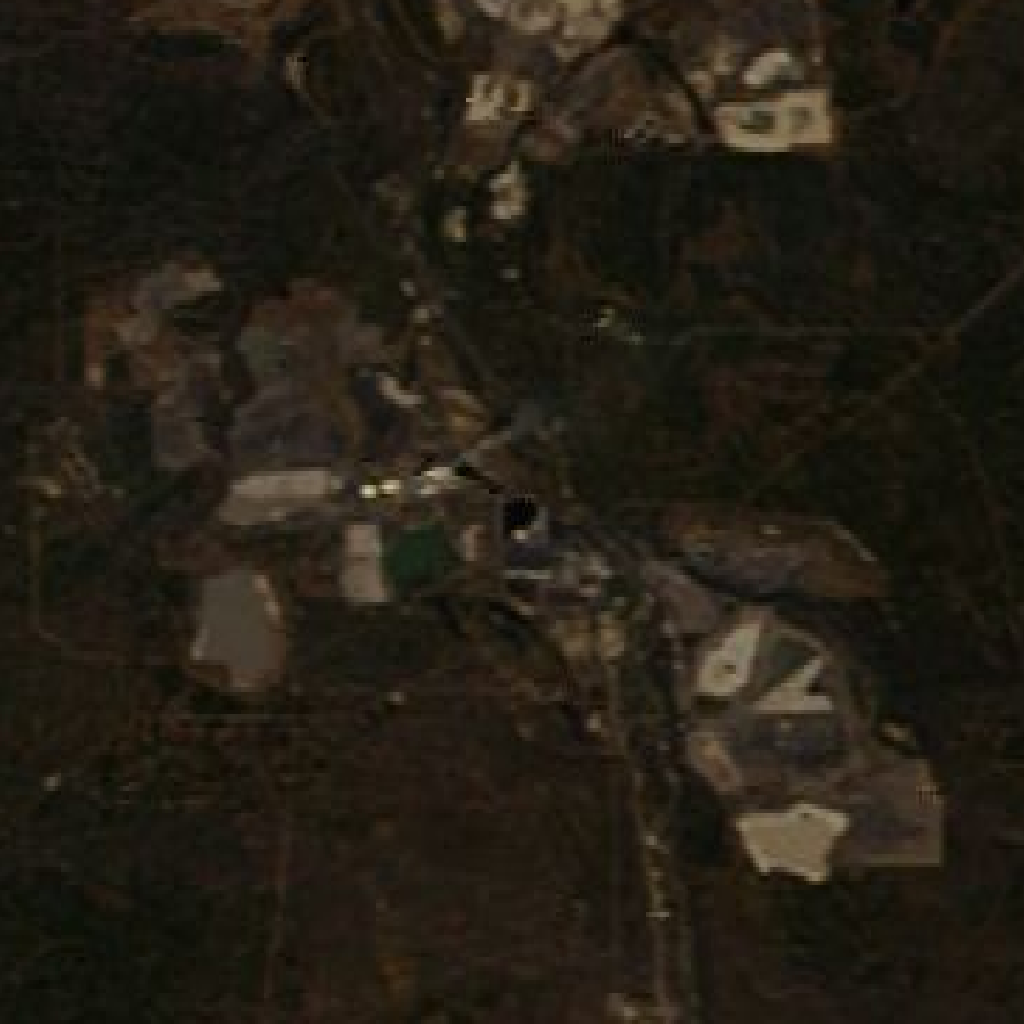
Port Hedland Iron Ore Hub true-color satellite scene captured on 2026-09-07
NASA EOSDISMODIS / TERRA / TRUE COLOR
Steady
Featured observationPort Hedland Iron Ore Hub
Scene dateSep 7, 2026
Targets online16
Coverage windowSep 6 — Sep 7
Latest uplinkSep 7 / 1:33 PM UTC
Major / watch0 / 5

Live signal

Orbit pulse

  1. 01

    Commodities: Cloud cover prevents assessment of Athabasca oil sands changes

  2. 02

    Commodities: Escondida shows broad disturbed terrain, but baseline comparison is inconclusive

  3. 03

    Data centers: Visible site grading and linear surfaces indicate early expansion activity

Field reports / All targets

The latest view from every tracked target.

Browse the imagery first. Open a field report when you want the baseline comparison, significance, and current sources.

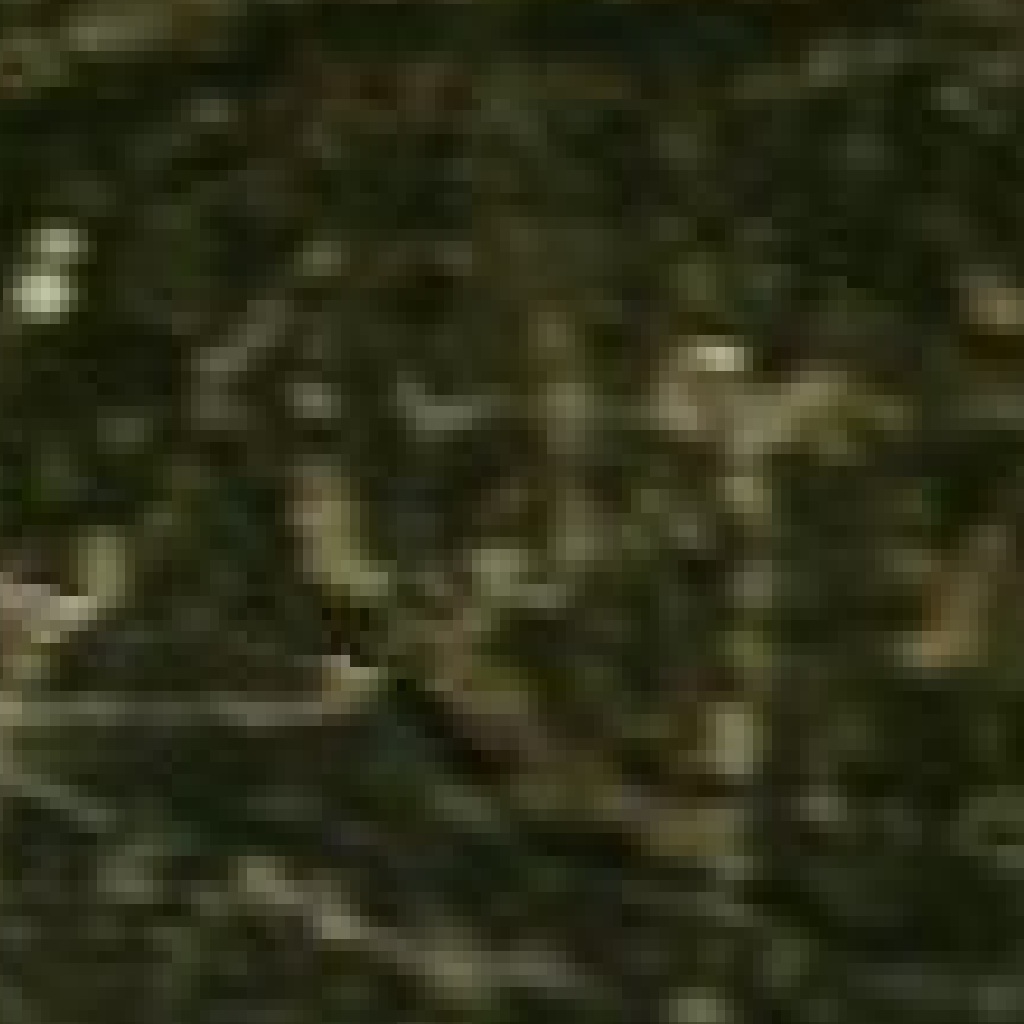
Loudoun Data Center Alley true-color satellite scene captured on 2026-09-06
FIG. 01NASA EOSDIS / MODIS TERRA
Loudoun County, Virginia

Loudoun Data Center Alley

Multi-operator cluster / Data center

Steady
Medium confidenceSep 6 vs Aug 10

No confirmed data-center buildout visible

The current coarse imagery shows dense forest with a narrow, irregular disturbed clearing, but no identifiable building shells, pads, cooling yards, substations, or transmission infrastructure. The broader pale clearing seen at baseline is also too indistinct to confirm facility construction.

Open field report
What changed

The visible disturbance appears more limited or differently defined than the broad pale cleared area in the August 10 baseline. No new roofed structures or clearly expanded utility infrastructure can be confirmed.

Why it matters

Loudoun County remains associated with significant data-center construction and power constraints in the cited reporting, but this observation provides no reliable site-level evidence of a material campus expansion or substation buildout.

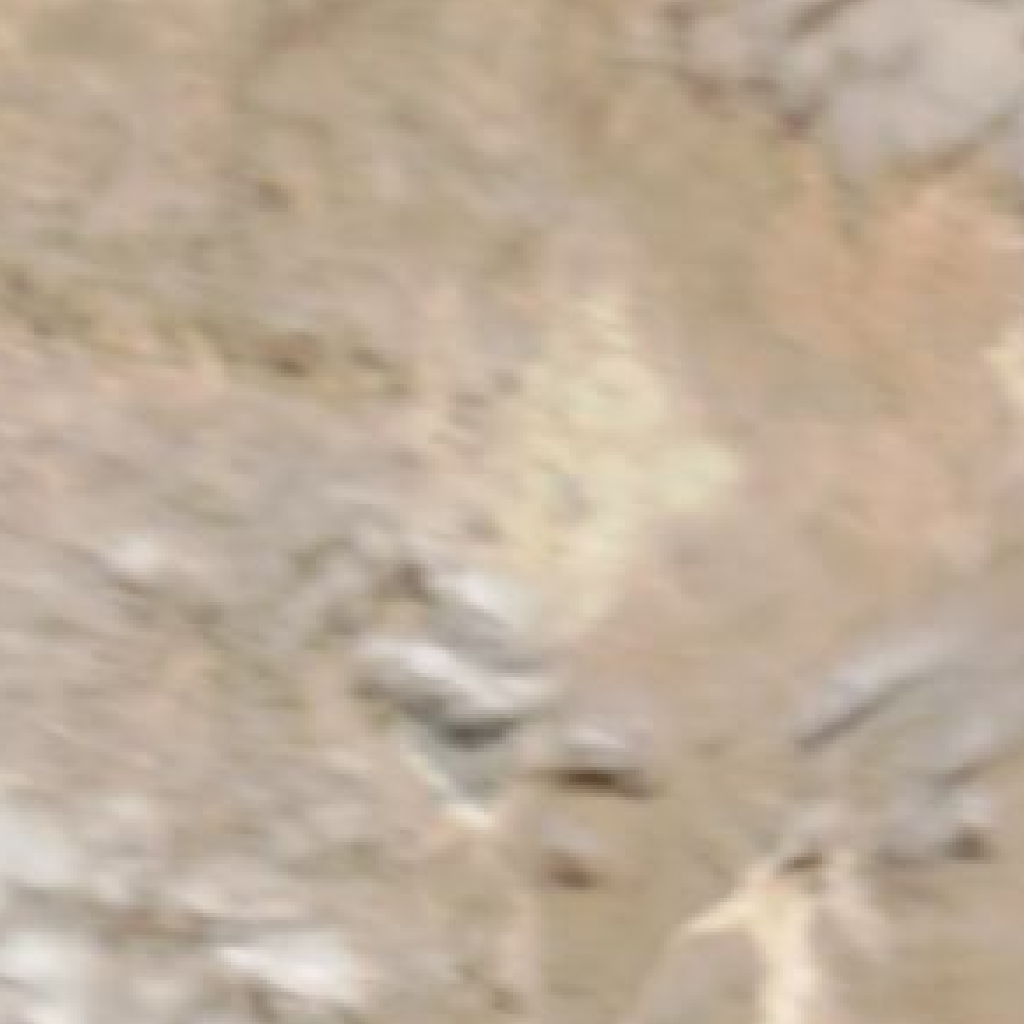
Athabasca Oil Sands Corridor true-color satellite scene captured on 2026-09-06
FIG. 02NASA EOSDIS / MODIS TERRA
Alberta, Canada

Athabasca Oil Sands Corridor

Multi-operator corridor / Surface mine

Watch
Low confidenceSep 6 vs Aug 10

Cloud cover prevents assessment of Athabasca oil sands changes

Bright cloud cover largely obscures the 2026-09-06 scene, so no reliable macro-scale change to open pits, tailings ponds, or disturbed land can be identified.

Open field report
What changed

The baseline showed a large irregular pale exposed area bordered by vegetation. The current observation does not provide sufficient visibility to determine whether that area or other mine features expanded, contracted, or changed materially.

Why it matters

The observation cannot confirm or rule out visible mine growth or tailings-pond footprint changes. Cited reporting discusses proposed pipelines and uranium development but does not provide direct evidence of observable changes in this oil sands corridor.

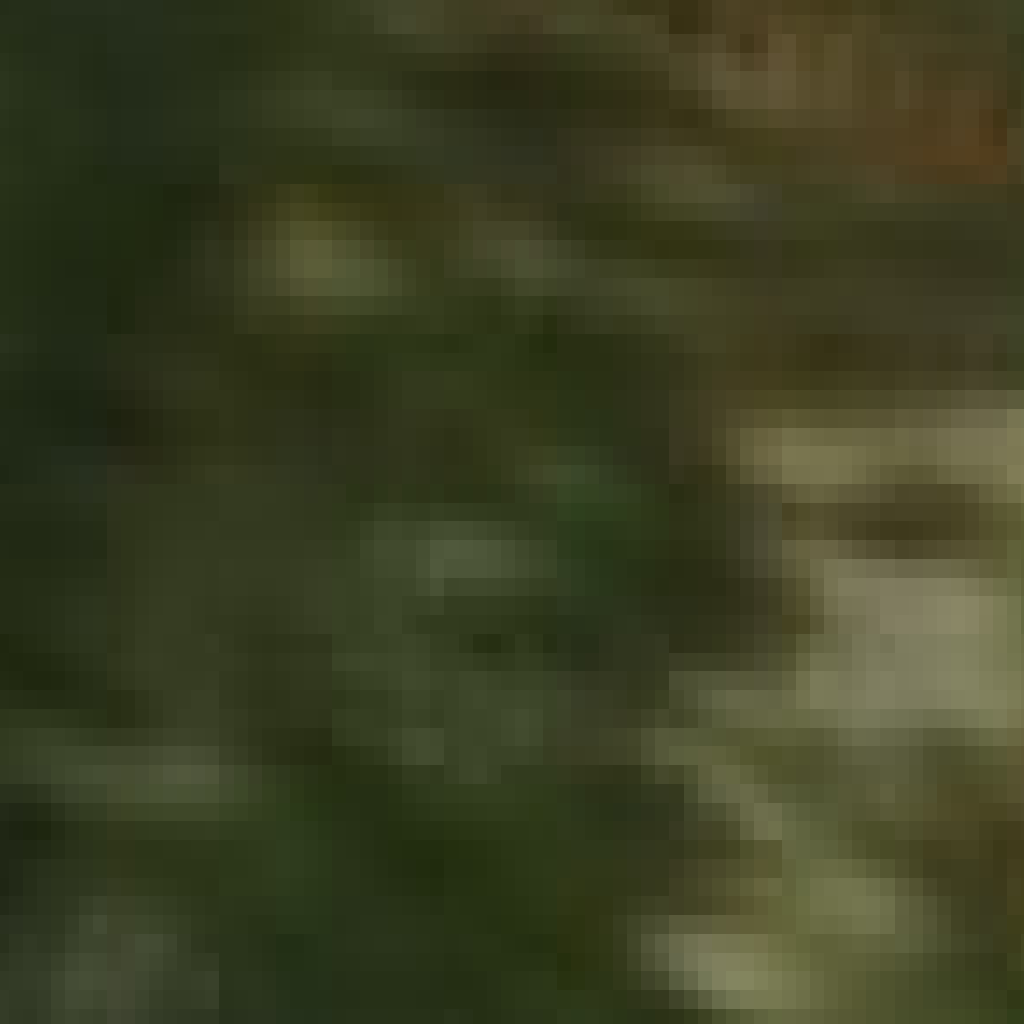
Memphis Data Center Campus true-color satellite scene captured on 2026-09-06
FIG. 03NASA EOSDIS / MODIS TERRA
Memphis, Tennessee

Memphis Data Center Campus

Hyperscale campus / Data center

Steady
Medium confidenceSep 6 vs Aug 10

No discernible campus-scale change in coarse imagery

The current scene is heavily blurred and shows no clearly visible building shells, major grading, substations, access roads, cooling infrastructure, or utility tie-ins. The baseline likewise showed predominantly vegetated terrain without identifiable campus structures or power infrastructure.

Open field report
What changed

No material visible change can be confirmed between 2026-08-10 and 2026-09-06. Image quality limits detection of smaller or early-stage construction activity.

Why it matters

No observable macro-scale evidence currently supports a major campus buildout or associated power-infrastructure expansion. This is notable because reliable energy infrastructure is a key requirement for large AI data centers, but the supplied imagery cannot confirm site progress.

Escondida Copper Complex true-color satellite scene captured on 2026-09-06
FIG. 04NASA EOSDIS / MODIS TERRA
Antofagasta Region, Chile

Escondida Copper Complex

BHP-led operation / Surface mine

Watch
Low confidenceSep 6 vs Aug 10

Escondida shows broad disturbed terrain, but baseline comparison is inconclusive

Current coarse imagery shows a broad pale disturbed area, a small greenish pond, and intersecting unpaved tracks. These features are consistent with large-scale mine-area disturbance, but the baseline is obscured by cloud or haze, preventing confirmation of recent pit, waste-rock, tailings, or plant-adjacent expansion.

Open field report
What changed

No reliable change can be established because the 2026-08-10 baseline does not clearly show the site. The current scene provides a visible condition but not a defensible before-and-after measurement.

Why it matters

The visible disturbance warrants continued monitoring for a clearer view of open-pit margins, waste-rock piles, tailings footprint, ponds, or major plant-area earthworks. The cited material discusses Escondida's mature-mine conditions and copper operations but does not independently confirm a specific macro-scale expansion at this location.

New Albany Data Center Cluster true-color satellite scene captured on 2026-09-06
FIG. 05NASA EOSDIS / MODIS TERRA
New Albany, Ohio

New Albany Data Center Cluster

Hyperscale cluster / Data center

Watch
Medium confidenceSep 6 vs Aug 10

Visible site grading and linear surfaces indicate early expansion activity

Compared with the washed-out baseline, the current imagery shows a large cleared or graded area with pale linear surfaces and possible access roads. No clearly identifiable building shells, substations, or transmission tie-ins are visible.

Open field report
What changed

Material increase in visible land disturbance and possible road or slab preparation since 2026-08-10, but the imagery does not establish completed structures or utility infrastructure.

Why it matters

The observed grading and linear surfaces are consistent with early campus expansion or access-road preparation and warrant continued monitoring for concrete slabs, building shells, and substation footprints. This is relevant given cited reporting on grid constraints and power infrastructure associated with data-center growth around New Albany and the Columbus region.

Salar de Atacama Lithium Ponds true-color satellite scene captured on 2026-09-06
FIG. 06NASA EOSDIS / MODIS TERRA
Antofagasta Region, Chile

Salar de Atacama Lithium Ponds

Multi-operator salar / Evaporation ponds

Steady
Low confidenceSep 6 vs Aug 10

No reliable visible change detected at Salar de Atacama ponds

The current true-color scene is highly blurred, and the baseline is obscured by dense cloud cover. Neither scene supports reliable identification of pond-footprint changes, stage or color-pattern shifts, or major new pond construction.

Open field report
What changed

No material change can be confirmed relative to the 2026-08-10 baseline because both observations have inadequate visibility.

Why it matters

The cited source confirms the salar's importance for commercial brine extraction, but it provides no evidence of a recent physical change. Clearer imagery is needed before assessing macro-scale changes across the evaporation-pond arrays.

Phoenix West Valley Data Centers true-color satellite scene captured on 2026-09-06
FIG. 07NASA EOSDIS / MODIS TERRA
West Valley, Arizona

Phoenix West Valley Data Centers

Multi-operator cluster / Data center

Steady
Medium confidenceSep 6 vs Aug 10

No material visible change detected at Phoenix West Valley data-center sites

Coarse MODIS imagery is too indistinct to confirm campus-scale grading, building shells, substations, transmission tie-ins, or cooling-related infrastructure.

Open field report
What changed

Compared with the mostly undeveloped, scrub-covered baseline from 2026-08-10, the 2026-09-06 scene shows no clearly visible new structures, utility infrastructure, pads, or broad land disturbance.

Why it matters

The imagery does not provide evidence of observable construction or power and cooling infrastructure progress during the review period. This is an observation limitation rather than confirmation that development has not occurred.

Port Hedland Iron Ore Hub true-color satellite scene captured on 2026-09-07
FIG. 08NASA EOSDIS / MODIS TERRA
Pilbara, Western Australia

Port Hedland Iron Ore Hub

Pilbara export hub / Export port

Steady
High confidenceSep 7 vs Aug 10

No material port-scale change visible

Coarse imagery shows broadly similar barren brown coastal land and dark water on 2026-09-07 versus 2026-08-10, with no clearly visible change in stockpile-yard footprint, berth occupancy, large vessel presence, terminal structures, or land reclamation.

Open field report
What changed

Only minor differences in the description of irregular shoreline deposits and pale exposed patches are noted; these are not sufficient to establish a material operational or construction change.

Why it matters

Recent reporting cites substantial Port Hedland activity and industrial action, but neither throughput nor strike effects can be confirmed from this imagery because no large port infrastructure, stockpiles, or vessels are clearly visible.

Abilene Stargate Campus true-color satellite scene captured on 2026-09-06
FIG. 09NASA EOSDIS / MODIS TERRA
Abilene, Texas

Abilene Stargate Campus

OpenAI, Oracle, Crusoe, and Microsoft / Data center

Steady
High confidenceSep 6 vs Aug 10

No material visible change at Abilene Stargate Campus

Coarse, highly pixelated imagery shows no clearly discernible new data-hall shells, grading, substations, transmission tie-ins, roads, or staging areas versus the baseline.

Open field report
What changed

No observable material change between 2026-08-10 and 2026-09-06; both observations show indistinct vegetation and brown ground without identifiable campus or utility construction features.

Why it matters

The imagery does not provide visual confirmation of large-scale campus or on-site-power construction during this interval, despite cited reporting describing the planned Stargate campus.

Simandou Iron Ore Project true-color satellite scene captured on 2026-09-06
FIG. 10NASA EOSDIS / MODIS TERRA
Nzérékoré Region, Guinea

Simandou Iron Ore Project

SimFer and Rio Tinto / Surface mine

Watch
Low confidenceSep 6 vs Aug 10

Broad mine-area disturbance visible, but baseline comparison is limited

Coarse imagery shows a large light-colored cleared or disturbed area with linear access corridors across the SimFer Blocks 3 and 4 area. No permanent processing plant, stockpile, rail spur, or other specific facility can be identified from the supplied observation.

Open field report
What changed

The current scene is more informative than the heavily cloud- or haze-obscured baseline, but the baseline does not provide a reliable like-for-like comparison. Therefore, expansion of earthworks or stockpiles cannot be confirmed.

Why it matters

The visible disturbance is consistent with ongoing large-scale mine-site construction, broadly aligned with cited reporting that mine construction had reached 77%. However, the imagery alone does not establish construction progress, rail-spur completion, stockpile growth, or operational scale.

Richland Parish AI Campus true-color satellite scene captured on 2026-09-06
FIG. 11NASA EOSDIS / MODIS TERRA
Richland Parish, Louisiana

Richland Parish AI Campus

Meta Hyperion / Data center

Steady
High confidenceSep 6 vs Aug 10

No reliably observable change at Richland Parish AI Campus

The 2026-09-06 imagery is too pixelated to confirm large visible changes in data-hall structures, land clearing, grading, utility corridors, roads, substations, or transmission connections.

Open field report
What changed

No material change can be established relative to 2026-08-10. Both observations are too blurred to reliably identify construction or supporting infrastructure.

Why it matters

Cited reports describe major planned expansion and additional power generation for Meta Hyperion, but those reports do not provide direct evidence of visible site changes in the supplied imagery. Higher-resolution or clearer imagery is needed to assess campus buildout.

Kamoa-Kakula Copper Complex true-color satellite scene captured on 2026-09-07
FIG. 12NASA EOSDIS / MODIS TERRA
Lualaba Province, DRC

Kamoa-Kakula Copper Complex

Kamoa Copper and Ivanhoe Mines / Surface mine

Steady
High confidenceSep 7 vs Aug 10

No visible macro-scale change confirmed at Kamoa-Kakula

The 2026-09-07 scene is heavily blurred and does not reveal a clear change in smelter, concentrator, solar, stockpile, pond, or clearing features versus the 2026-08-10 baseline.

Open field report
What changed

No defensible aboveground infrastructure change can be identified. The baseline shows a developed industrial area with several light-toned circular and rectangular features, while the current scene is too blurred to assess additions, expansions, or disturbance.

Why it matters

Recent cited reports describe commissioning of a solar-BESS baseload project and plans to expand on-site solar supply, but the supplied imagery does not visibly confirm a new or expanded solar footprint or other macro-scale facility change.

Mount Pleasant AI Campus true-color satellite scene captured on 2026-09-06
FIG. 13NASA EOSDIS / MODIS TERRA
Mount Pleasant, Wisconsin

Mount Pleasant AI Campus

Microsoft Fairwater / Data center

Watch
Low confidenceSep 6 vs Aug 10

Possible early ground disturbance, but no confirmed second-facility construction

The latest coarse imagery shows pale cleared or graded patches within a largely vegetated area, but no clearly visible building shells, structural steel, substations, transmission tie-ins, access roads, or staging areas.

Open field report
What changed

Compared with the heavily blurred 2026-08-10 baseline, the current image provides a weak indication of possible new or more apparent grading, but image quality prevents reliable confirmation of material construction progress.

Why it matters

The observed patches could represent early site preparation for the reported expansion, but there is insufficient visible evidence to confirm foundations, steel erection, underground utilities, or utility buildout. Cited reporting confirms the existing Fairwater facility is operational but does not independently verify visible progress on a second facility.

Oyu Tolgoi Copper Complex true-color satellite scene captured on 2026-09-07
FIG. 14NASA EOSDIS / MODIS TERRA
South Gobi, Mongolia

Oyu Tolgoi Copper Complex

Oyu Tolgoi and Rio Tinto / Surface mine

Steady
Low confidenceSep 7 vs Aug 10

No observable macro-scale change at Oyu Tolgoi

Uniform haze and heavy blur prevent reliable assessment of the open pit, waste-rock and tailings footprints, conveyor systems, processing infrastructure, or other surface changes.

Open field report
What changed

No clearly visible difference from the 2026-08-10 baseline; both observations lack sufficient image clarity to identify large infrastructure or land-disturbance changes.

Why it matters

The imagery does not provide a dependable signal on underground-ramp-up support infrastructure or broader mine-surface expansion. The cited company material references underground copper development, but does not establish a visible change in the supplied imagery.

Sedenak Data Center Corridor true-color satellite scene captured on 2026-09-07
FIG. 15NASA EOSDIS / MODIS TERRA
Kulai, Johor

Sedenak Data Center Corridor

Multi-operator cluster / Data center

Steady
Low confidenceSep 7 vs Aug 10

No observable material change at Sedenak data-center corridor

Both the current and baseline MODIS imagery are heavily blurred or obscured, so no reliable change in campus clearing, roofed building shells, substations, access roads, or other large site features can be confirmed.

Open field report
What changed

No discernible difference from the 2026-08-10 baseline; visibility is insufficient for a dependable construction comparison.

Why it matters

News reports indicate substantial potential data-center expansion at Sedenak Tech Park West, but the supplied imagery provides no visual confirmation of active buildout or utility infrastructure changes.

Pilgangoora Lithium Operation true-color satellite scene captured on 2026-09-07
FIG. 16NASA EOSDIS / MODIS TERRA
Pilbara, Western Australia

Pilgangoora Lithium Operation

PLS / Surface mine

Steady
Medium confidenceSep 7 vs Aug 10

No material macro-scale change discernible at Pilgangoora

The heavily pixelated 7 September 2026 scene does not show a clearly discernible change in open-pit extent, waste-rock or stockpile areas, processing infrastructure, new clearing, or other large surface features versus 10 August 2026.

Open field report
What changed

No visible macro-scale difference is identifiable from the supplied current and baseline descriptions. Reported Ngungaju restart and potential P2000 expansion activity are not independently visible in the imagery.

Why it matters

Recent cited reports describe processing-restart and expansion plans, but the available coarse imagery does not provide reliable visual confirmation of construction, plant expansion, pit growth, or material stockpile changes.

Method / Evidence chain

From orbital scene to grounded report.

The image leads. The report adds context. Confidence stays visible so you can tell an observed change from a story that merely sounds plausible.

01Acquire

Fresh Earth imagery

Daily MODIS Terra scenes are selected from NASA EOSDIS for each fixed watch area.

02Compare

Visible change only

Current and baseline scenes are checked for macro signals the imagery can actually support.

03Contextualize

Reporting with a reason

Current reporting explains why a visible shift matters without pretending the pixels prove more than they do.